
POTS AND CLAY POTS
Pots can make a surprising difference to an interior. Our selection includes pots and clay pots in different sizes, shapes, colours and materials, giving you plenty to work with whether you need a single pot as an eye-catcher or several for a larger interior.
Clay features prominently in the collection, but you will also find pots in other materials. Many have a raw, patinated or rustic look, where surfaces, colours and small imperfections are all part of the character.
Whether you are furnishing a café, shop, restaurant, office or home, pots are an easy way to add shape, colour and personality. Often, a clay pot with dried branches or an artificial plant is all it takes to bring an interior together.
1 - 24 of
61
Next
arrow_forward
Show all


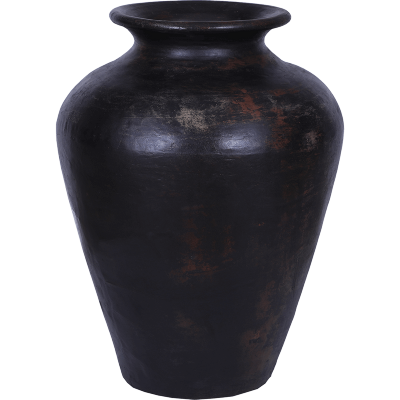
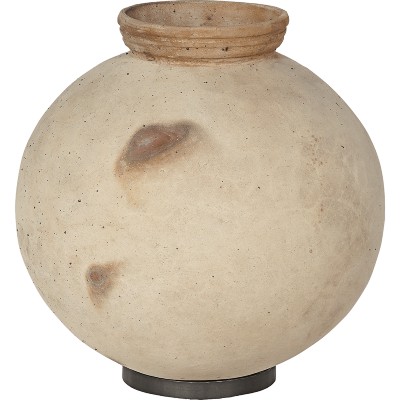
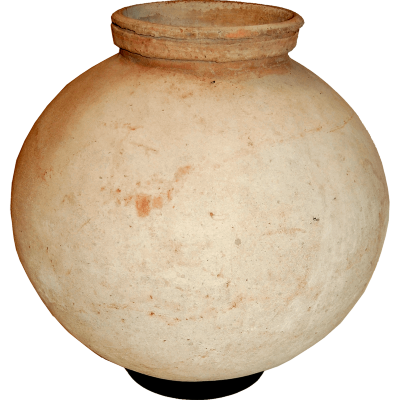
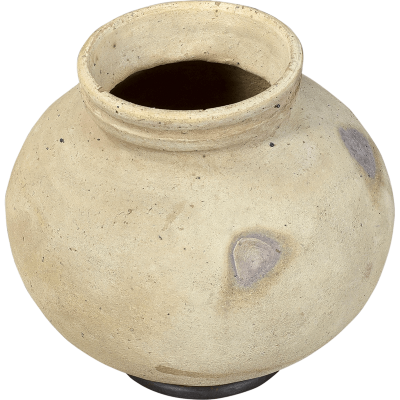


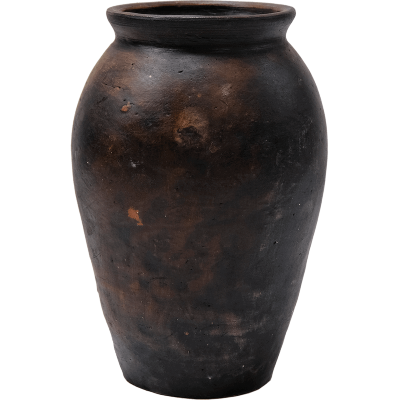
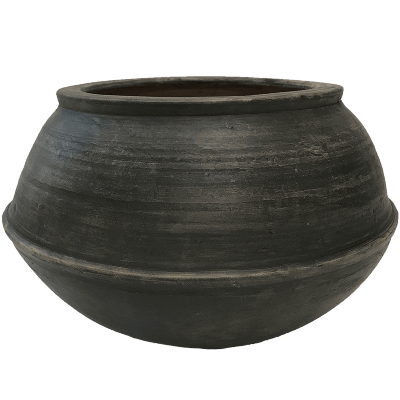
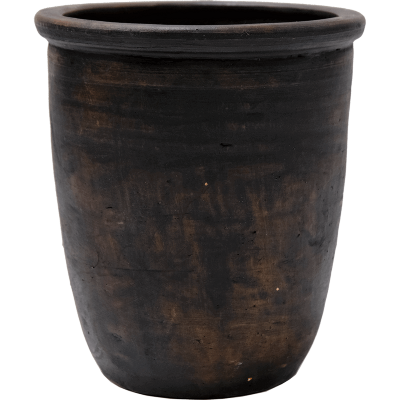
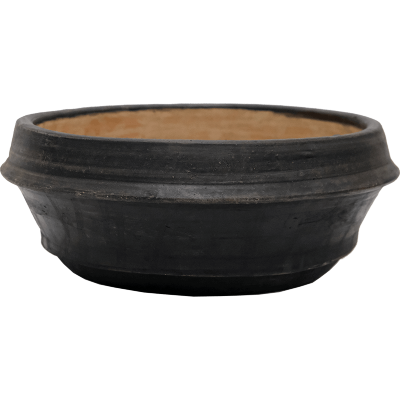
All prices are excl. VAT
1 - 24 of
61
Next
arrow_forward
Show all
How to choose the right pots and clay pots
When choosing pots and clay pots, size is not the only thing that matters. The look, function and placement in the room are just as important.
Here are the main things to keep in mind:
- Size and placement go hand in hand
Smaller pots work well on racks, tables and windowsills, while larger models can be given more space and used as eye-catching features in the interior. - Material sets the tone
Clay pots create a warm, natural look, while iron pots add a more industrial feel. But material is only part of the story. Colour, shape, finish and surface have just as much influence on the overall look of a pot. - Different heights add interest
Working with both low and taller pots creates variation and makes the arrangement feel more dynamic. - Think about function from the start
The pots are primarily intended for decoration rather than direct planting. Always use a watertight insert or separate plant pot if you want to use them with live plants..
Indoor pots – small changes, big impact
Pots are a bit like salt in cooking. Small adjustments, big effect.
Smaller indoor pots work well on racks, tables and windowsills, where they can add colour, shape and variation. A clay pot with dried branches, artificial plants or perhaps nothing at all can easily be enough.
Larger models can be placed on the floor, on a low plinth or wherever they have a little more space around them. In shops, cafés and restaurants, several pots can also help create a sense of continuity between different areas of the interior.
At home or in an office, pots can be both decorative and practical. Use them with plants in a watertight insert, for storage, or simply leave them as they are. An empty pot can have plenty of character on its own.
Want to see how pots work in a real interior? Take a look at this case from Fogtmann Logistik, where several planters with green plants bring life to the office.
How to place pots in your interior
Pots work well alongside other elements in an interior, but they can just as easily be allowed to stand on their own.
Here are a few ways to use them:
- Racks for display and different levels
Smaller clay pots work well on shelves, where you can arrange them at different heights on the shelves. This makes it easier to highlight each pot and prevents them from disappearing into one flat visual line. - Console tables for display
A clay pot can easily stand alone on a console table and act as an eye-catcher. You do not need to group several together. Often, a single pot is exactly what adds balance and weight to the arrangement. - The floor for larger models
Larger pots can stand directly on the floor, where they have more space around them. Use them on their own or combine different sizes and materials.
Mixing materials and heights creates an interior that does not feel flat. It feels alive.
What to know if you use the pots for plants
Our pots are primarily intended for indoor decoration. They are not watertight or frost-resistant, so if you want to use them as plant pots, there are a few practical things to keep in mind.
- Use a watertight insert
Place the plant in a plastic pot or another watertight insert to prevent water and damp soil from coming into direct contact with the pot. - Protect the surface underneath
A saucer can help protect a table, rack or floor from moisture and marks. On delicate surfaces, we also recommend using felt pads underneath the pot. - Allow a little air underneath
Some of our iron rings can be used as pot stands, raising the pot slightly from the surface. This also makes it easier to spot and wipe up any moisture underneath. - Keep them indoors
The pots are not frost-resistant, so we do not recommend them for outdoor use. Even in a covered area, they should still be protected from moisture and frost.
Prefer old pots with plenty of history?
We have gathered our old clay pots and large planters in a separate category. Here you will find old pots with patina, signs of use and individual variations, as well as seriously large floor models, some reaching around 170 cm in height.
This is also where to look if you want a pot that does not necessarily look like the one next door.
See old clay pots and large planters →
FAQ about pots and clay pots
What materials are the pots made from?
Most of our pots are made from clay, but you will also find models in iron and other materials. Material, surface, colour and finish all contribute to the different looks of the pots.
Can I plant directly in your clay pots?
No. Our clay pots are not watertight. Always use a watertight insert or a separate plant pot inside if you want to use the pot with live plants.
Can the pots be used outdoors?
We do not recommend our pots for outdoor use. They are not frost-resistant and may be damaged by moisture and temperature fluctuations. Use them indoors or in covered areas where they are protected from the weather and frost.
How do I protect the floor underneath a pot?
Use a saucer if there is a risk of moisture and felt pads on delicate floors. Some of our iron rings can also be used as pot stands to raise the pot slightly from the surface.
Which pots should I choose for a shop, café or restaurant?
It depends on the available space and the look you want to create. Smaller pots work well on racks, tables and other surfaces, while larger models can be placed on the floor as eye-catching features. Try combining different heights, shapes and materials to create variation.